Raleigh lawns work hard. Hot summers, surprise storms, and a lawn sprinkler system that runs every week can wear out a valve fast. We just repaired a leaking valve for a homeowner who thought the grass was only thirsty. The truth was a soggy yard and a sky-high water bill. Below are the sprinkler valve problems we look for on every job, so you can spot trouble before it gets messy. As a local sprinkler company in Raleigh, we see these warning signs all year.
What Does a Sprinkler Valve Do in Your Irrigation System?
A sprinkler valve is the gate that lets water flow to one zone at a time. The controller sends a small signal to the solenoid, the solenoid lifts the diaphragm, and water moves to the sprinkler head. When any part of that chain has a valve problem, water can sneak out when it should not.
5 Signs That a Sprinkler Valve Is Leaking
These are the common signs we see most in Raleigh yards. One sign alone may be small, but two or three together are a strong warning.
Sign 1: Soggy Wet Areas Near the Valve
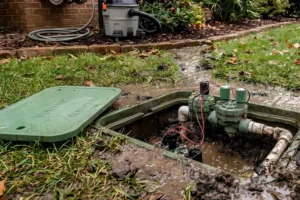
Leaking water leaves wet areas that never seem to dry, which is a big sign of a leak. If you notice water pooling or a mushy patch near the valve, take a closer look. Pooling water near the valve is never normal. If the valve box is full of water long after the system stops, the valve may still be leaking.
Sign 2: A Sky-High Water Bill
A higher water bill with no change in your habits is a red flag. A slow drip can waste hundreds of gallons of water each week, and you may not see it. Compare your water usage with last season, and call us if it jumps, because your system could have a leak.
Sign 3: Low Water Pressure or Uneven Watering
When a valve leaks, less water reaches the nozzle. You may notice low pressure, weak spray, or dry spots on your lawn. Dry patches on one zone can be signs of a failing valve, while multiple zones with multiple valve issues point to a bigger problem.
Sign 4: A Valve Won’t Shut Off
A valve that won’t shut means water keeps running after the controller says stop. A stuck valve is often caused by a clog from dirt or a worn diaphragm. This leads to overwatering, and yellow grass or mushrooms often follow.
Sign 5: Bubbling Water or Odd Sounds
Bubbling water in the valve box is a clear sign. A hiss or gurgle can also mean the valve is losing water. We once found a box so full of bubbling water that the owner thought it was a tiny pond.
What Causes a Sprinkler Valve to Go Bad?
Here are the causes we see most.
Dirt and debris. A clog keeps the diaphragm from sealing tight, so water slips past.
A worn diaphragm. Rubber gets old, cracks, and stops holding back the water.
A bad solenoid. A malfunctioning valve or solenoid can stay half open.
High water pressure. Too much force stresses the parts and can lead to a broken sprinkler head too.
How Can You Check for a Leak at Home?
You do not need fancy tools for a quick inspection.
Easy Checks You Can Try
Open the valve box and look for water inside. Next, manually activate each zone from the controller and watch for odd spray. It is the same zone check we use for common sprinkler startup problems every spring. Check that your backflow preventer is dry, because leaking backflow prevention parts are another warning sign. We use a multimeter to test the solenoid, but that part is best left to the pros.
When to Call a Pro
If the valve is still leaking after a simple reset, it is time for a repair service. Most irrigation repair only needs a new diaphragm, but some jobs need valve replacement. Fixing problems early protects your lawn, your wallet, and the rest of your irrigation system from damage to your property. The EPA WaterSense program also shares simple ways to find and fix outdoor leaks.
Frequently Asked Questions About Sprinklers
1. Can a leaking sprinkler valve raise my water bill?
Yes, because even a small drip runs day and night. Those extra gallons add up fast.
2. Can a clog make a valve stay open?
Yes, because dirt can block the diaphragm from closing all the way. Cleaning or replacing the part usually solves it.
3. Should I turn off the water if the valve is still leaking?
Yes, because it stops damage and saves water. Then call a professional irrigation team to inspect it.
Catch Valve Leaks Before They Grow
Soggy ground, a high bill, weak spray, a valve that will not stop, and bubbling water are the warning signs to watch. Regular maintenance and yearly system maintenance keep a well maintained system running efficiently. Not sure what you are seeing? Call us or contact Water Works Unlimited for an inspection. We will find the leak, fix it, and get your lawn irrigation back on track. Call (919) 570-7808 today.