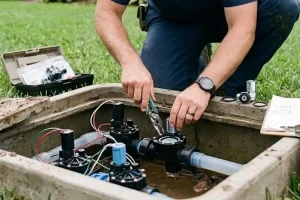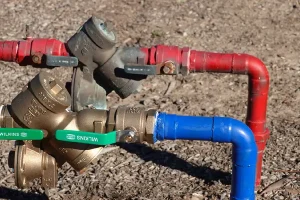
After more than two decades working on lawns across Raleigh, Cary, Apex, and Wake Forest, one thing has stayed consistent: watering the right way saves a lot of water. As an irrigation service company, we see every day that a smart layout is not about fancy parts or guesswork. It’s about placing sprinkler heads where they actually belong and setting run times that work with local soil and weather.
Just last week, we finished a new system in North Raleigh where the homeowner was shocked by how much water their old setup wasted. Heads were spraying sidewalks, driveways, and even the side of the house. Once we fixed the layout, the lawn looked better, and water use dropped fast. That happens a lot around here.
Let’s see how a well-planned irrigation layout helps save water in Raleigh, NC, and why it matters so much for your lawn.
Why Does Irrigation Layout Matter So Much in Raleigh?
Raleigh lawns deal with hot summers, clay soil, and sudden rainstorms. A poor layout does not handle those conditions well.
Clay Soil Needs the Right Spray
Clay soil absorbs water slowly.
If sprinklers spray too much at once, water runs off instead of soaking in. We space and size heads so water goes down, not away.
Local Weather Changes Fast
Rain can pop up out of nowhere.
A smart layout works with rain sensors and zones so water does not run when the lawn already has enough.
How Does Proper Head Placement Save Water?
This is where most water waste starts on Raleigh lawns. A system can have great parts, but if the heads are placed incorrectly, water is lost every time it runs.
Every Sprinkler Head Has a Clear Purpose
Each sprinkler head should spray grass only—nothing else. When water hits sidewalks, fences, or the side of the house, it is wasted. We just corrected a system in Cary where three heads were aimed at concrete instead of turf, and the fix alone reduced water use right away.
Head-to-Head Coverage Prevents Dry and Soaked Spots
Each sprinkler should spray far enough to reach the next one. This keeps the lawn evenly watered. Without this spacing, some areas get too much water while others stay dry, which leads to runoff and repeat watering.
Spray Patterns Must Match the Lawn Shape
Lawns are not perfect squares, and sprinkler patterns should not be either. Adjustable spray patterns let water follow curves, corners, and narrow areas. When the spray fits the lawn, water goes where it belongs and stays out of places it should never reach.
How Do Zones Help Control Water Use?
Zones allow different areas to get the water they need.
Lawns Are Not All the Same
Sunny areas dry faster than shaded ones.
Flat areas hold water longer than slopes. We set zones based on these differences.
Separate zones keep grass from getting too much or too little water.
Slope-friendly zones prevent runoff on hills, which is common in Raleigh yards.
What Role Do Smart Controllers Play?
Controllers bring the whole irrigation layout together. Even a well-designed system can waste water when run times are not adjusted for changing conditions. We often see higher repair and maintenance costs when seasonal freezing, moisture buildup, and soil movement slowly stress irrigation components over time, especially when controllers are not updated to account for those shifts.
Timing Matters More Than Most People Think
Watering early in the morning reduces water loss from heat and wind. Midday watering wastes water fast, especially during Raleigh summers. Smart controllers lock in the best start times and stick to them.
Automatic Adjustments Based on Weather
Smart controllers adjust run times when the weather changes. If rain comes through, the system can pause watering instead of running on a fixed schedule.
Weather-based scheduling helps skip watering after rain, keeping water from pooling or running off.
Seasonal Changes Without Guesswork
Lawns need less water in spring and fall than in summer. Smart controllers lower run times during cooler months without stressing the grass.
Seasonal adjustments help reduce water use while keeping the lawn healthy year-round.
How Does a Good Layout Prevent Long-Term Waste?
Water waste is not always obvious.
Small Problems Add Up
A misaligned head can waste thousands of gallons each year.
Leaks underground can go unnoticed for months.
Balanced water pressure keeps heads working as designed.
Easy-to-check zones make small issues easier to spot early.
Why Professional Planning Makes a Difference
Anyone can buy sprinkler parts. Planning is the real skill.
Local Knowledge Counts
Raleigh lawns are different from other parts of the country. We design layouts based on what works here, not guesswork.
Soil-aware designs match water flow to absorption speed.
Property-specific layouts fit the yard instead of forcing a standard plan.
Frequently Asked Questions About Irrigation Services
Does a better irrigation layout really lower water bills?
Yes. A proper layout stops overspray and runoff. That means less water is used each cycle.
Can an old system be changed to save water?
Yes. Many older systems only need layout fixes and new heads to reduce waste.
Is a smart controller required to save water?
No. A good layout works on its own, but a smart controller helps fine-tune timing.
Smart Layouts Save Water and Headaches
A well-planned lawn irrigation layout saves water, protects your lawn, and lowers stress. After installing and fixing systems all over Raleigh, the pattern is clear—good planning always wins. When sprinklers are placed correctly, zones are set with purpose, and timing matches local conditions, water use drops fast.
If your system sprays more pavement than grass or runs longer than it should, it may be time for a fresh look.
Call Water Works Unlimited today at (919) 570-7808 to schedule an irrigation check or layout review. We’ll help your lawn get the water it needs—no more, no less.